


Who’s in control: You or Your thoughts?
Who’s in Control: You or Your Thoughts? Our thoughts are like invisible companions—sometimes they cheer us on with words of encouragement, and other times they whisper doubts that hold us back. We know our thoughts shape our reality, but how deeply have we explored this idea? How do these internal dialogues influence our lives, and why should we pay closer attention to them?
Think of your thoughts as a muscle: the more you practice guiding them, the stronger they become. Your mind can be your greatest ally, lifting you up with inspiration, or it can act like a critic, dragging you into worry and fear. It’s often not what happens around us that troubles us, but how we respond. It’s like being annoyed by your neighbor’s red sweater—not because of the sweater itself, but because of what it stirs up inside you. The real problem is how we choose to react.
I remember being 23 years old, sitting in Nairobi, Africa, with a mind full of questions about life, purpose, and what it means to truly feel alive. It was there, surrounded by the vibrant energy of a new continent, that I began to understand how my own thoughts were shaping my experience. The simple exercises I started then still help me today to find clarity and joy amidst the noise of everyday life.
Exercise 1: Breaking the Thought Loop
Take a quiet moment and notice the thoughts running through your mind. Are there any recurring negative ones? Write them down without judgment. Then, reframe each thought into something positive. If you find yourself thinking, “I’ll never manage this,” change it to, “I’m learning, and every step forward counts.” Repeat these new affirmations every morning to start your day with a more supportive mindset.
Exercise 2: The Power of a Pause
The next time a stressful thought pops up, silently tell yourself, “Pause.” Take a deep breath and ask, “Is this thought really true? Can I shift my focus?” Most of the time, you’ll find the worry wasn’t necessary. By taking this brief moment, you give yourself the chance to choose a kinder, calmer response.

Unser bester Freund oder unser grösster Feind
Unsere Gedanken sind unsere ständigen Begleiter – mal liebevoll und ermutigend, mal kritisch und voller Zweifel. Sie haben die Macht, unser Leben zu formen und unsere Sicht auf die Welt zu prägen. Doch was bedeutet das wirklich? Wie beeinflussen uns unsere Gedanken, und warum sollten wir uns mit ihnen beschäftigen?
Stell dir vor, deine Gedanken wären wie ein Muskel. Je mehr du sie bewusst trainierst, desto stärker werden sie. Der Verstand kann uns auf Höhenflüge mitnehmen oder uns in dunkle Täler führen – je nachdem, wie wir ihn lenken. Oft sind es nicht die äußeren Umstände, die uns herausfordern, sondern unsere Reaktion darauf. Ein roter Pullover deines Nachbarn kann plötzlich nerven, einfach nur, weil du ihn mit etwas Negativem verknüpfst. Das Problem ist nicht der Pullover, sondern unser eigener Gedanke darüber.
Ich erinnere mich an einen Moment in meinem Leben, als ich mit 23 Jahren in Nairobi, Afrika, saß und über mein Leben und die Bedeutung von Lebendigkeit philosophierte. Damals spürte ich zum ersten Mal bewusst die Kraft meiner Gedanken. Es waren genau diese einfachen Übungen, die mir halfen, meinen inneren Dialog zu verändern und mehr Klarheit und Leichtigkeit in mein Leben zu bringen.
Übung 1: Den Gedankenkreis durchbrechen
Nimm dir einen Moment Zeit, um deine Gedanken zu beobachten. Schreibe negative Gedanken auf, ohne sie zu bewerten. Formuliere sie dann neu: Aus „Ich schaffe das nicht“ wird „Ich gebe mein Bestes und wachse mit jeder Erfahrung.“ Lies dir diese neuen Gedanken jeden Morgen durch, um eine positive innere Haltung zu stärken.
Übung 2: Stoppen und Atmen
Wenn du merkst, dass dich ein negativer Gedanke einholt, sage innerlich „Stopp!“ Atme tief ein und aus und frage dich: „Ist dieser Gedanke wirklich wahr?“ Oft erkennen wir, dass es nur unnötige Sorgen sind. Mit jedem bewussten Atemzug bringst du mehr Leichtigkeit in dein Denken.
Schluss: Freiheit im Reich des Herzens
Unser Leben ist ein Spiegel unserer Gedanken. Indem wir unsere Reaktion auf Situationen verändern, schaffen wir Raum für Freude und Gelassenheit. Wenn wir im Einklang mit unseren Gedanken sind, werden sie zu unseren besten Freunden, die uns unterstützen, statt uns zu bremsen.
„Du bist der Himmel. Alles andere ist nur das Wetter.“ – Pema Chödrön

Do we need healing?
Healing the Forgotten Wholeness of Ourselves
In a world where growth and learning often bring wounds, healing becomes not a remedy for something wrong but a journey back to our inherent wholeness. Healing is a rediscovery of who we truly are beneath the layers of societal expectations, fears, and judgments. We each have an innate perfection, a profound, unconditional love that we may have forgotten but which never left us.
At our core, nothing is broken. We are, in essence, complete and pure, just as we are. Yet, in living through the collective challenges of relationships, culture, and personal experiences, we often lose touch with this essence. We take on layers, masks, and defenses, shielding ourselves from perceived threats or judgments from others. Over time, these defenses create a barrier, hiding us from our true selves.
This healing journey is unique for everyone, yet collectively shared. The suffering we feel stems largely from our separation from the heart—our spiritual center of love, compassion, and intuition. As we distance ourselves from this source, we begin to experience dissonance in our thoughts, words, and actions. We forget the coherence that naturally exists within us, the unity between heart and mind, which is the foundation of inner peace and genuine expression.
Healing is about returning to the heart. It involves breaking down the walls of self-judgment and fear of external criticism, allowing us to reveal our true thoughts, feelings, and desires without shame. It is a process of embracing self-love so deeply that it awakens a clarity about what we genuinely need and want, independent of outside influences. In this state, we no longer fear vulnerability, because we understand that our worth is unchanging.
In our truest, unburdened state, the heart knows far beyond the mind’s capacity to understand. The heart’s electromagnetic field is profoundly more powerful than the mind’s, reflecting the power and wisdom of our true nature. When we tap into this expansive love, we don’t need to analyze or rationalize—our heart just knows. Healing is, therefore, not so much a process of fixing as it is of remembering, of reconnecting with this intuitive knowing.
Through healing, we strip away the burdens of past hurts, fears, and disappointments, allowing our inner light to shine unimpeded. We reclaim a sense of unity with everything around us, recognizing that each challenge was not a failure but a part of our journey toward resilience and renewal. Each time we rise, reborn from hardship, we come closer to our true, powerful selves.
In this, we find liberation—not from pain or suffering, but from the fear that keeps us from embracing it fully. Healing brings us to a place of compassion, patience, and unconditional love for ourselves and others. It is a path back to unity with the divine essence that lives within us, revealing the truth that, in our hearts, we are and have always been whole.
Let us honor the journey, not as something to fix or perfect, but as a profound return to love—our origin, our essence, and our destination.
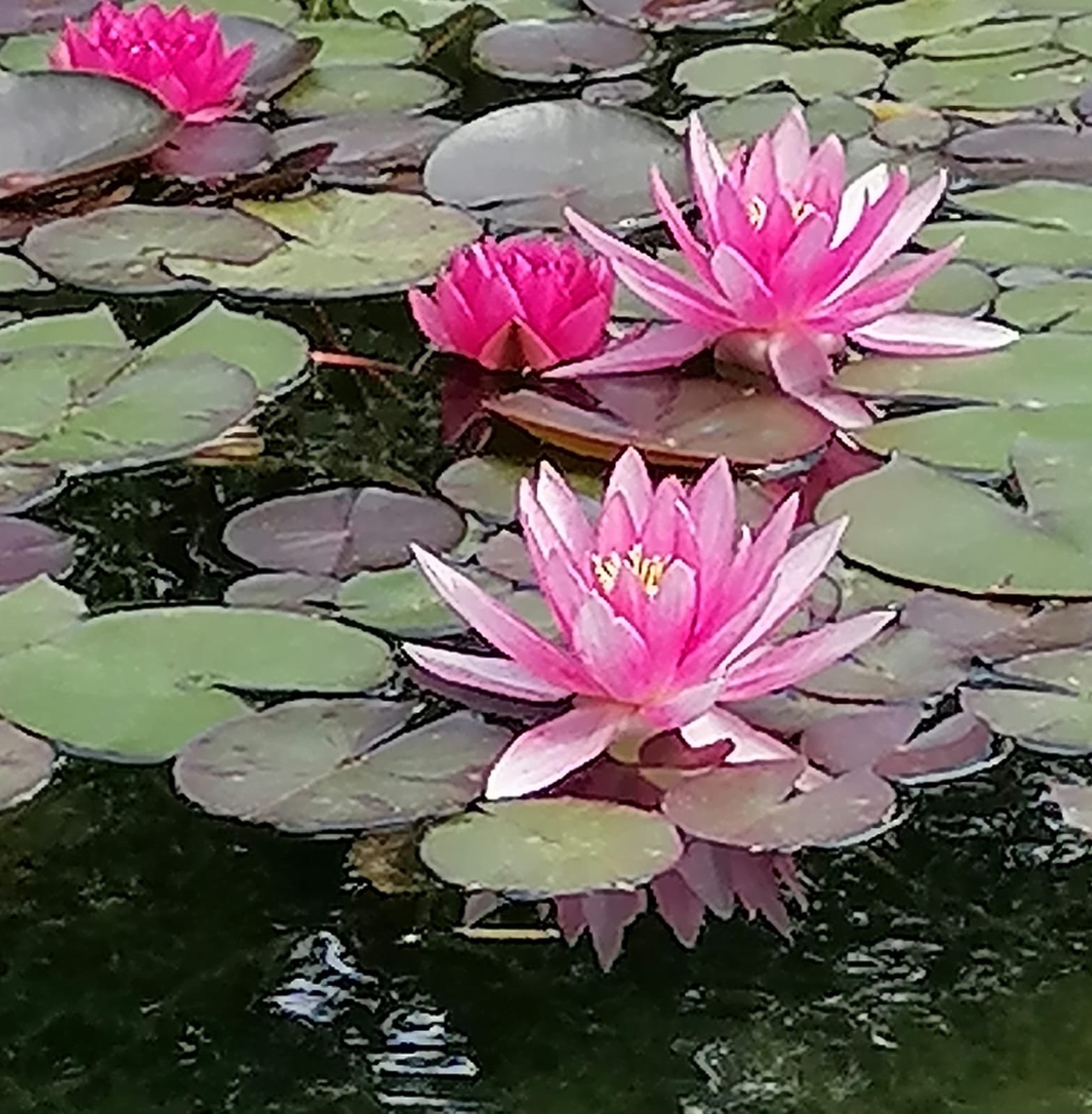
Heilung – Wovon eigentlich und weshalb?
heilung-wovon-eigentlich-und-weshalb Kern sind wir nicht zerbrochen. Im Wesentlichen sind wir vollständig und rein, genau so, wie wir sind. Doch während wir durch die Herausforderungen von Beziehungen, Kultur und persönlichen Erlebnissen navigieren, verlieren wir oft den Zugang zu dieser Essenz. Wir legen uns Schichten, Masken und Schutzmechanismen zu, um uns vor vermeintlichen Bedrohungen oder Urteilen anderer zu schützen. Im Laufe der Zeit entstehen dadurch Barrieren, die uns vor unserem wahren Selbst verbergen.

Ist Yoga wirklich für alle? Eine Reise zu Authentizität und Präsenz.
Ist Yoga wirklich für alle? Eine Reise zu Authentizität und Präsenz
Das ist schließlich die größte Herausforderung – und nicht nur auf der Yogamatte, sondern auch im Alltag. In den Sutras wird klar gesagt: Die Kontrolle über den Atem bringt auch die Kontrolle über die Gedanken. Wer seine Gedanken beherrschen kann, hat sein Leben im Griff. Das bedeutet nicht, dass wir unsere Gedanken stoppen müssen – das wäre kaum möglich. Es geht darum, bewusst wahrzunehmen, wie wir denken, welche Gedanken in uns auftauchen, und zu erkennen, dass wir den Verlauf unserer Gedanken verändern können.
Von Angst zu Mut: Das ist eine der wichtigsten Übungen im Yoga und für ein entspanntes und ruhiges Leben. Und das ist nur einer der vielen wertvollen Aspekte des Yoga.

11 Tore zu deinem authentischen Selbst
Dein Weg in die Freiheit –
Der Steg symbolisiert den Pfad, den wir alle gehen, oft schmal, manchmal unsicher, aber immer in Bewegung. Das endlose Wasser spiegelt die Tiefe unseres Wesens wider – ruhig, kraftvoll und voller unentdeckter Möglichkeiten. So wie der Steg uns sanft in die Weite führt, leitet auch der Weg zu unserer inneren Freiheit uns durch die Unbekannten unseres Lebens hin zu mehr Klarheit und Erfüllung. Es ist eine Reise, bei der wir alte Begrenzungen loslassen und in die unendliche Weite unseres Seins eintauchen.


Der schönste Ort im Universum: Inmitten deines Herzens
Der schönste Ort im Universum: Inmitten deines Herzens

Stille finden: Praktische tipps für mehr Ruhe und ausgeglichenheit.
Die Stille ist eine unglaubliche Kraft.

Die Stille: Eine Quelle der Glückseligkeit.
"In der Ruhe liegt die Kraft, und in der Stille die Tiefe der Weisheit."

Scham und Schuld. Wie selbstbestrafung uns schwächt und wie wir wns befreien können.
Aus wahre Liebe kann nur wahre Liebe fliessen.



Meditation und Zeit: Die dringlichkeit der Achtsamkeit.
Meditation und Zeit: Die Dringlichkeit der Achtsamkeit

Meditation: Finding inner peace in simple ways
Meditation: Finding Inner Peace in Simple Ways

Die Bedeutung der Atmung für Körper, Energie und spirituelles Wachstum
WE BREATJ LIFE IN AND OUT. SO MAKE IT COUNT.
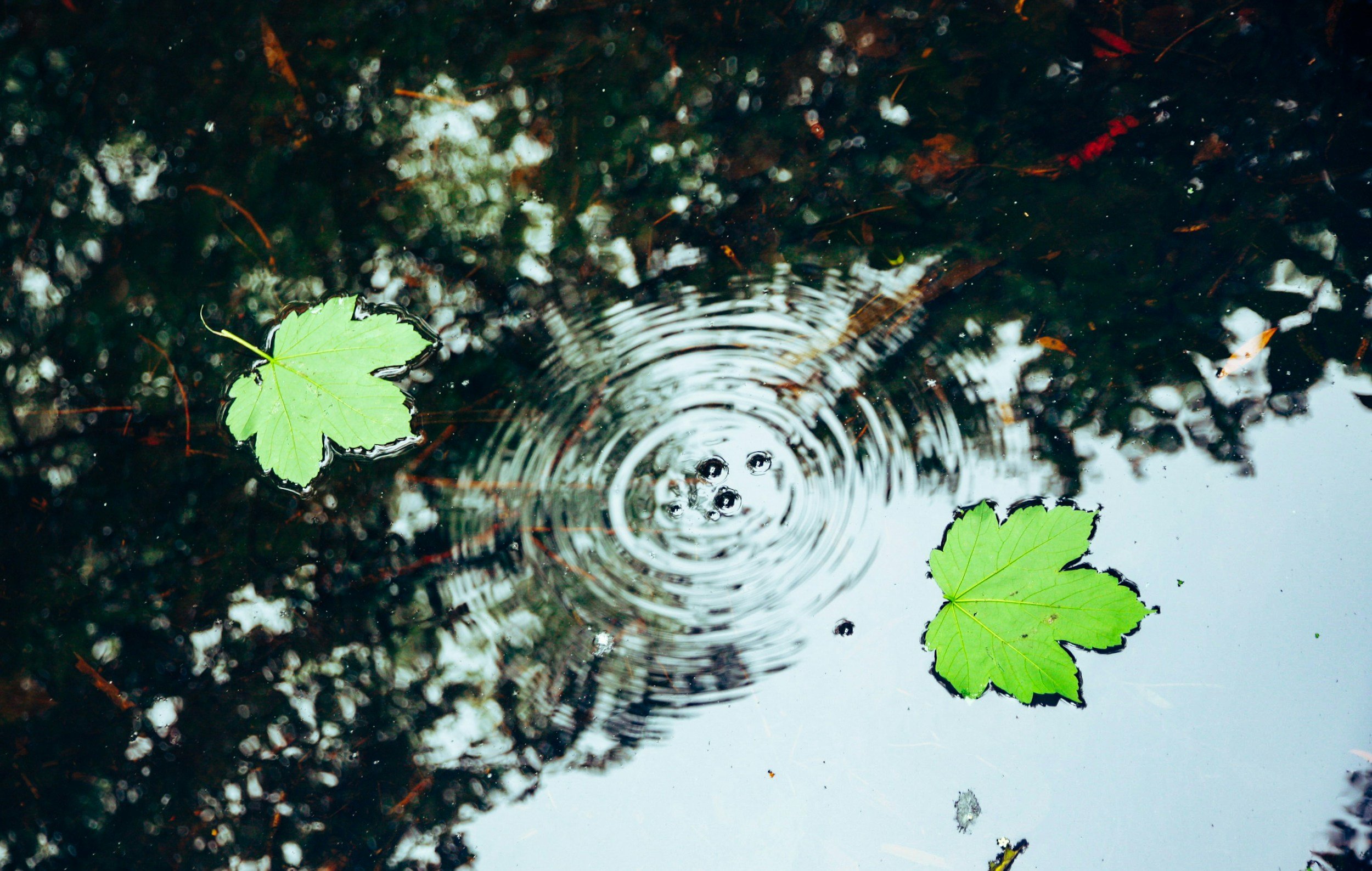
The importance of breathing for our body, energy, and spiritual growth
MY LIFE. MY BREATH: